Mabani Client Team
The client is the commissioning entity for a project. Without a client, there is no project. Clients come in many forms, ranging from consumers who want to convert their attics to developers with billion-pound estates who commission major buildings on a regular basis. When considering who might be in the client team, it is essential for the client to recognize that regardless of their experience, the project size, or the business sector.
- Set out the client requirements: determine the needs and goals of the project, assessing whether a building project is the best means of achieving these requirements.
- Develop the project brief: define functional requirements, establish the project budget, and outline the desired project
- Agree on the procurement strategy: decide on the most appropriate procurement method and determine when the construction team will join the project team.
- Appoint the design team: select a design team with the appropriate knowledge, skills, and experience for the project.
- Establish the project programme: set a timeline for the project, including key milestones and deadlines.
- Review and comment on design progress: monitor the design as it develops, providing feedback and signing off on finishes and fittings to be used in the project.
- Sign off the stage report: approve the stage report at the end of each project stage to ensure the project is on track and meeting expectations.
- Make payments schedule: ensure timely payments to the design team, construction team, and any client team members as the project progresses, in line with the relevant contracts.
"The client is central to the decision-making process at every stage, but the extent to which they are involved is a matter of preference. A proactive and engaged client team can significantly influence the success of a project, ensuring that the final outcome aligns closely with their vision and requirements".

PMO Director
ELHADI ELNIGUMI

Technical Office Manager
Abubakr Rabie

Civil Engineer
Eng. Al-Mutasim Billah Al-Maghribi

Executive assistant manager
Fadi abdalazeem

PL.Planning Enginner
Eng. Mohamed Ajeeb

QC, Quality Control
Eng. Hossam Elnour

Sr. Civil Engineer
Eng. Sayed Elshekh

Architect
Eng. Bassam Osama

Architect
Shaima Hussameldin

Marketing Specialist
Maha Alrashdi

Sr. IT Engineer
Eng. Mohamed Abdalrhman

Data Analiest
Eng. Mahmoud Elrashede

CFO, Chief Financial Ofiicer
Mohamed Abdulkareem

DC, Document Controller
Sayed Aftab Hussain

Sr. Planning Engineer
Eng. Mohamed Ajeeb

Sr. IT Engineer
Eng. Mohamed Abdalrhman

Internal Auditor

Cost Control Engineer

Sr Elect Engineer
Eng. Khaled Mohamed
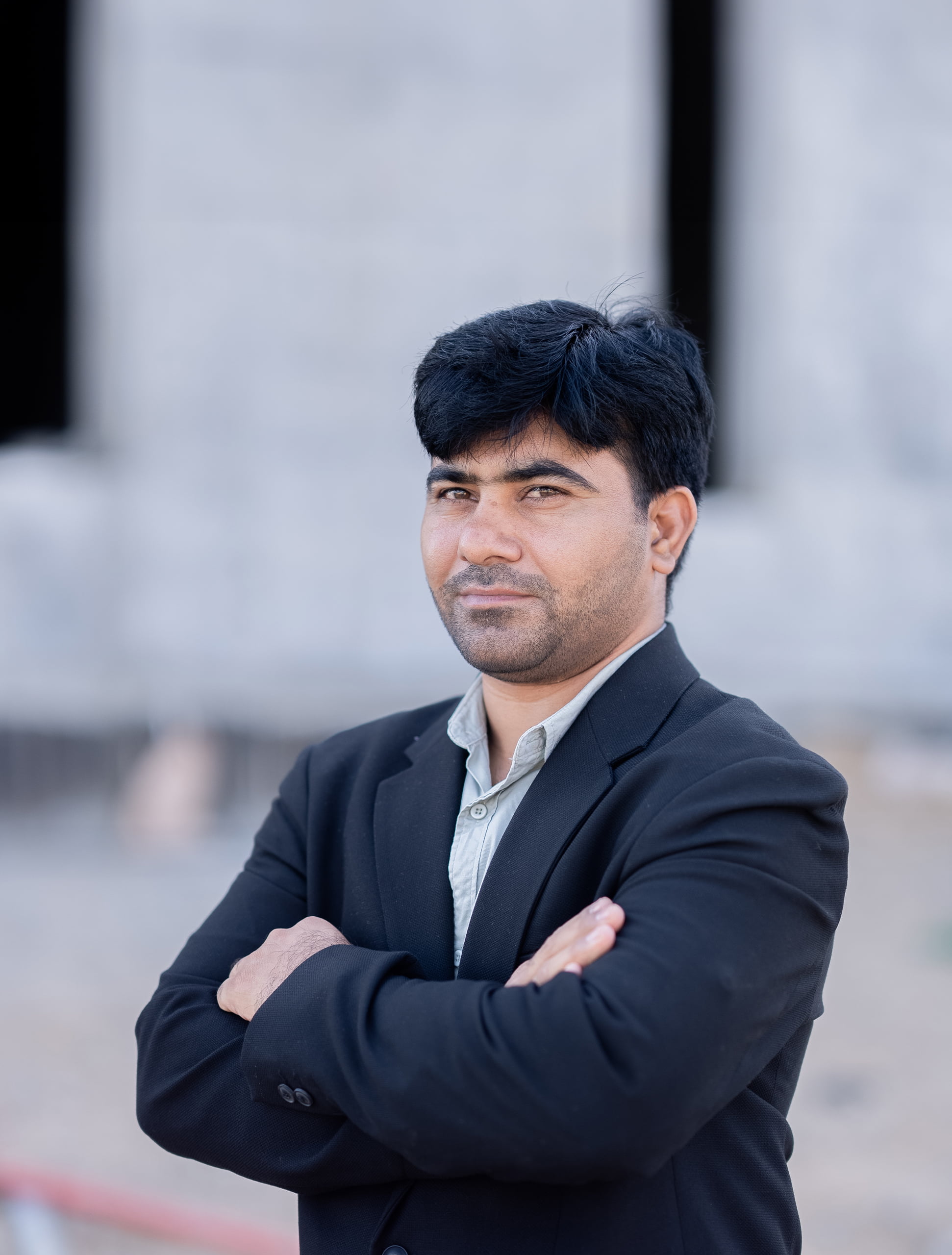
DC, Document Controller
Sayed Aftab Hussain

Sr Elect Engineer
Eng. Khaled Mohamed

QC, Quality Control
Eng. Hussam Elnour

DC, Document Controller
Sayed Aftab Hussain
The design team are responsible for the design of the building and for producing the information required to manufacture and construct it. The design team is led by the lead designer, who is responsible for coordinating the inputs and information from each team member. Anyone who designs,engineers or contributes advice or information that will be used as part of the design process needs to be in the design team. However, this does not include the preparation of the Client Requirements or Project Brief which are developed by the client team. On smaller projects some designers may start in the client team to help develop the Project Brief then become part of the design team.


the design team


More Than +100
Senior & Engineers - Ready to serve you
the construction Team
The role of the construction team includes the following tasks:
Appropriate subcontractors and specialist
Procure the work of subcontractors and specialist subcontractors.
Manage and coordinate the construction work of the different subcontractors.
Deliver the completed project in line with the time, cost and quality requirements of the Building Contract, as well as meeting all statutory requirements
Assess and manage construction risks.
Ensure that the building is constructed safely, with health and safety at the heart of the process.
Secure the site and arrange shared items of plant, such as craneage or hoists.
Liaise with the statutory authorities in relation to temporary requirements, such as for cranes, office accommodate and site welfare facilities, and seek approval for these as required.
Prepare the Construction Programme.
Divide the work into packages (considering any interfaces) and tender it to the most subcontractors.


More Than +1000
preson ready To help You